I’m Angry, and I’m Unhappy
By Principal Wong Kwun Wa | 04-11-2019
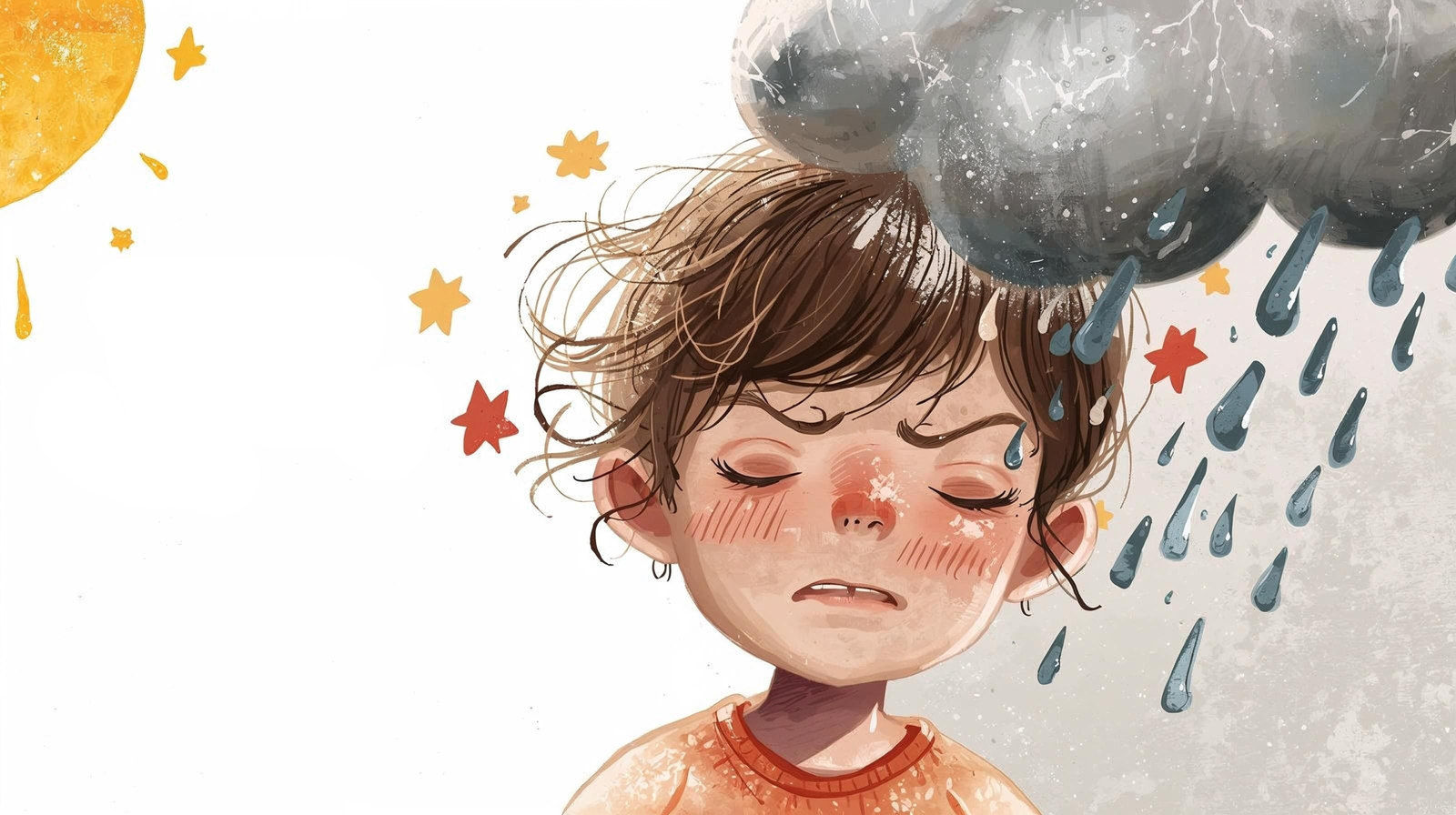
As children grow up, they experience many emotions every day. Emotions are like the weather—sometimes sunny, sometimes cloudy, sometimes stormy. There’s no right or wrong in how we feel. When children face threats, teasing, hurt, or unfairness, anger naturally arises. It’s a normal human reaction. In fact, anger often comes hand-in-hand with unpleasant experiences. At school, those who lose their temper easily often struggle to get along with others, because classmates may feel unfairly affected by their mood and think they’re being “difficult” or “unreasonable.” If teachers and students don’t know how to manage it, both sides can easily “explode.”
In my years of teaching, I once had a boy who would get angry very easily. During class changes, he sat in the front row, and whenever he turned around and saw other students looking at him or whispering, he immediately thought they were laughing at him. Within seconds, his temper would explode like a volcano. He later told me that he wasn’t even aware of what was happening then—it was as if his mind had gone blank. Once, he became furious because his grandfather stayed in the bathroom too long in the morning. In a burst of rage, he ran to the kitchen, grabbed a knife, and shouted at his grandfather. Fortunately, no one was hurt.
I also had a girl who was an outstanding student—always top of her class and even a school prefect. In the teachers’ eyes, she was a model student. But deep inside, she was filled with anger toward her mother. She often felt upset because her mother always sided with her older brother, even when he was wrong. Her father had passed away when she was young, and she somehow blamed her mother for it. Her mother’s constant nagging made things worse, and she found it unbearable. After evening study sessions, she didn’t want to go home and would wander around the housing estate instead. Eventually, her mother went to the school to ask for help.
Feeling a Student’s Anger
To truly help students like these, we first have to feel their anger. Try to step into their shoes—breathe as if you were them, and sense what they’re feeling. Anger is often only the outer layer of deeper emotions. When life feels bitter or full of disappointments, even small things can spark anger.
The boy who “blacked out” when angry had been scolded often since he was little. His self-image was poor, and his self-esteem was low. He always felt that others were laughing at him, which made him anxious all the time. He believed that showing anger would make people afraid to look down on him and that this could help him feel more confident. The girl’s anger, on the other hand, hid her sadness about her mother’s unfair treatment and her longing for her father. She believed that if her father were still alive, he would stand up for her and make things right.
Five years ago, I went through the angriest year of my life. My eldest daughter entered a very “pushy” primary school—one that believed in harsh drilling and speed rather than understanding. It was completely against my values in education. In less than a week, the school’s rigid and stressful way of teaching had shattered my daughter’s confidence. My own temper also became short; those days were really hard.
At night, when I couldn’t sleep, I tried to peel back my anger layer by layer. I allowed myself to feel sadness and quietly told myself, “I’m unhappy because…” As I kept tracing my feelings, I found layers of heartache, helplessness, and frustration. I couldn’t change the situation, and that powerlessness weighed heavily on me. Watching my daughter struggle with anxiety and secretly cry over school broke my heart. That was when I realized—behind my anger was love. A deep, tender love for my child. Over time, the anger melted away, replaced by calmness and gratitude. Together, we faced her struggles with quiet strength. Now, five years have passed. My daughter and I share a close and warm relationship. She has long forgotten the pain of her early school days, but I believe she’ll always remember her father’s care and support.
Every student faces their own challenges. Too often, when they show “problems,” people label them as “problem students” and rush to fix them. But if teachers and parents can look at their behaviour as signs of difficulty instead of disobedience, we can respond with more empathy. When we face their anger, we’ll better understand what they truly need and be more willing to walk into their world. For children who get angry easily, we can gently encourage them to say, “I’m really unhappy,” instead of “I’m angry.” Beneath that anger, they may discover feelings of fear, sadness, helplessness, or unfairness. When we understand what lies underneath, healing naturally begins.
By Principal Wong Kwun Wa (Part-time Lecturer, Hong Kong Baptist University; Former Principal of a Hong Kong Aided Primary School)
Original source (Chinese): Master-Insight | I’m very angry, and also very unhappy (我好嬲,也好唔開心) | https://www.master-insight.com/article/16315