
Sometimes you need to stop to go further
By Principal Wong Kwun Wa | 30-11-2018 | Ohpama
I have two lovely daughters. My older daughter is nine years old. She is kind-hearted and very understanding. My younger daughter is six. She is innocent, lively, and often makes people laugh. My older daughter is quiet and thoughtful, with deep emotions. She thinks carefully before doing anything. She is curious about new things but not always brave enough to try them. My younger daughter, on the other hand, charges ahead without hesitation. Although my two daughters have completely different personalities, they have never thrown tantrums since they were born. When they are happy, they laugh out loud; when they are upset, they cry freely. After a hug and a kiss for Daddy, they feel better. Even at such a young age, both of them can express their emotions very well.
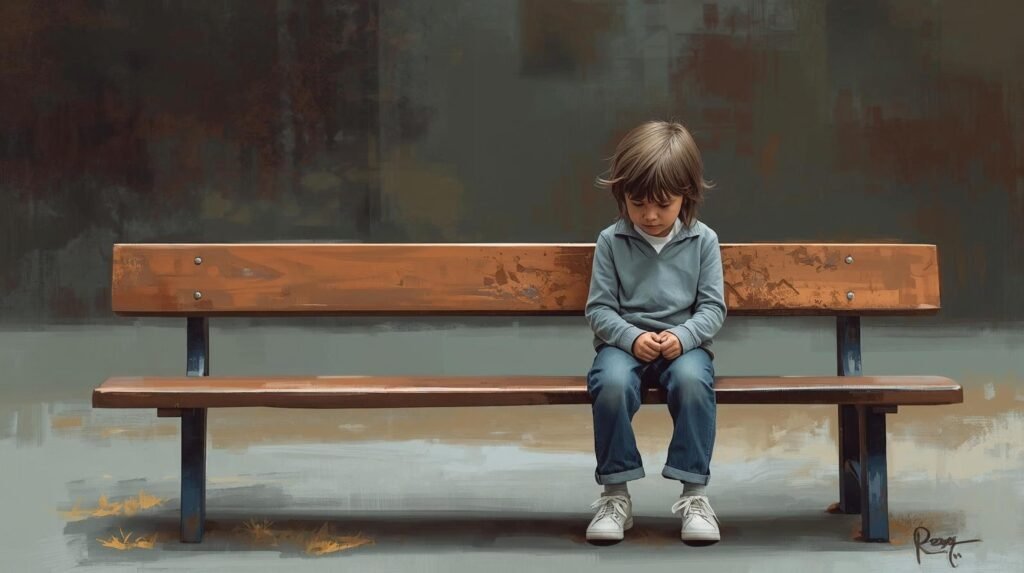
My older daughter began learning the piano with me three summers ago. When school started, she had a lot of homework every day. By the time she finished, she was already very tired. Naturally, she spent less time practising, and her progress became very slow. Each night, I couldn’t bear to push her to practise. For a while, I struggled with a simple question: should I let her stop for a while, or should she keep practising a little every day? The answer came from watching her. One evening, after she finished her homework, I sat beside her while she played. She looked exhausted. Her eyes were slightly swollen, heavy with tiredness, and she was holding back tears. Although she played every note correctly, the music had no feeling. Playing the piano had become a chore. She rushed through it just to get it done. Little by little, she felt she wasn’t playing well anymore, and her confidence began to fade. At that moment, I decided to let her pause. I stopped asking her to practise every day. Instead, I said, “Daddy has always believed you have talent at the piano. But you have too much schoolwork right now. You can decide when you want to practise. Daddy trusts you.” She felt a huge sense of relief. She hugged me, kissed me, and softly said, “Okay.”
Over the next year, my daughter did not practise the piano every day. She played only when she felt like it, walking over to the piano to enjoy herself and learn new pieces now and then. With no pressure, I saw her slowly become interested in playing again. She even wanted to learn new songs more often. Before long, she began to practise almost every day on her own. When she didn’t understand something, she would ask me to help her. During these two years, she learned at her own pace. It was slower than many other children, but I could see that she truly enjoyed playing the piano. Her rhythm, note reading, and finger skills were all quite good. From my experience, I felt she was ready to take an exam, so she could experience success. The exam pieces were harder than what she usually played, but she chose all of them herself. Because of this, she practised without any resistance and worked through everything on her own. In the end, she did very well and scored 126 out of 150. When she received the results, we were both very happy and satisfied. I did not give her any special reward. I simply hugged her and said softly, “Even though the exam pieces were difficult, you played them very well. This shows how much effort you put into your practice. You did a great job. Daddy is proud of you.” After hearing this, she hugged me tightly. At that moment, I could see from her happy and confident eyes that her confidence had grown a lot.
Tips for Helping Your Child Build Self-Esteem and Confidence:
Every child has their own pace for learning and growing. Parents can’t rush it; all we can do is respect and accept it, and pay attention to how they feel along the way. Sometimes, we need to accept that our children won’t always do things perfectly, and even allow them to step back from certain expectations. At the same time, parents should try to give children opportunities to succeed. When they do, praise the effort they put in and make sure they get full credit for their achievements. Many parents ask me which musical instrument their child should learn. I always tell them, “As long as learning the instrument helps your child build self-esteem and confidence, it doesn’t matter which instrument they choose!”
By Principal Wong Kwun Wa (Part-time Lecturer, Hong Kong Baptist University; Former Principal of a Hong Kong Aided Primary School)
Original source: Ohpama | Sometimes you need to stop to go further (停下來,是為了可以走得更遠|) | https://www.ohpama.com/366636/親子教養/親子教養/黃冠華校長-停下來,是為了可以走得更遠/